Is My Reading Manga Down Right Mo
How to Use This Guide
This is a cursory introduction to the wonderful world of manga designed for educators, parents, librarians and manga enthusiasts. In this guide y'all will larn about the history of manga , the genres of manga, the Japanese publishing industry and nigh manhwa. This guide is meant to exist low-cal and informative, but non everything you need to know about manga. Manga every bit a form of entertainment has a rich and interesting history and it is my promise that this guide shows a glimpse into the delight that is manga.
What Is Manga?
To put it briefly, manga is the Japanese word for comics published in Japan. The word itself is comprised of 2 characters: human 漫 significant "whimsical" and ga 画 pregnant "pictures."
Manga can be for entertainment or education, although in the United States manga for entertainment is what is by and large translated and published. Manga is for people of all ages and information technology is non seen as something merely for children every bit compared to how sometimes American comics are viewed.
In Nippon, manga is published in manga magazines such every bit Shōnen Jump or Sh ō jo Beat, multiple capacity at time, then republished into t ankōbon volumes. These t ankōbon volumes are what you would see in your local library or book shop in the United States. Manga is printed in black and white ordinarily considering of the expense, only sometimes in that location are special editions that include full color capacity.
How to Properly Pronounce Manga
The right pronunciation sou nds like the "mon" in Montana plus "guh."
How to Read Manga
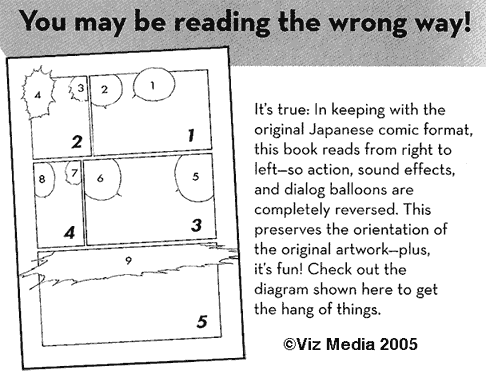
Manga is read right to left beginning with the rightmost panel. The spine of the manga should be towards your right hand when you commencement reading, if not flip it over! Please read the panels in the following guild:
Who Creates Manga?
Creators of manga are chosen mangaka . Mangaka are both author and illustrator of their works and each one has their own unique fashion of manga. Some examples of famous mangaka are Tezuka Osamu ("Astro Male child"), Akira Toriyama ("Dragon Brawl Z") and Naoko Takeuchi ("Crewman Moon").
Brief H istory of M anga
Famous woodblock creative person Hokusai used the term manga in the 18th century to refer to his works. Hokusai's usage of the term referred to its literal significant of the word, "whimsical pictures," but his works are non the earliest examples of manga in the world. The earliest examples of what we would phone call manga are scrolls created by Buddhist monks in the 12th century in Nihon. These scrolls r a n continuously like chapters and depict ed animals behaving like humans.
A manga-esque media appeared again in the 18th century with the creation of k iby ōshi or "yellow covers." Kiby ōshi were books for adults that featured an analogy surrounded by dialogue and text. Many of the topics of these k iby ōshi were controversial and eventually were banned by the government.
During the 19th century press techniques be c ame more efficient and Japanese artists connected to create comics including those that critiqued the government and discussed politics. The publishing industry continued to flourish into the 20th century, merely the Japanese government began to censor artists more severely and shut down publishing houses .
Leading into WWII, g anga was used by the government for the spread of Japanese imperialism and propaganda . Subsequently World War II is when mod manga began to appear and became h ugely pop and successful. The American occupation of Japan brought over American style comics and this had a significant influence on the manga art mode.
Kickoff in 1947, artist Tezuka Osaku, who was afterward known as the "Father of Manga" and the " Walt Disney of Japan," started publishing his works including the virtually recognizable and successful "Astro Boy ." Tezuka Osamu, along with his peers, started some other awe-inspiring shift in manga from wartime propaganda to the delightful entertainment that nosotros know and love today.
Manga Genres
Romance, slice of life, fantasy, horror, action, take a chance, etc. Manga fans and librarians know these as genres, but in the manga industry things are a bit unlike. All of the "genres" listed above would exist considered equally sub-genres in the earth of manga considering the genres of manga are targeted demographics.
At that place are four main genres that you will see in manga: S hōjo, S hōnen , Josei, Seinen.
These targeted demographics are meant to exist descriptive non prescriptive, meaning that although they may have a desired audience it does not meant that but members of that audition should or can read from that genre. These genres refer to specific audiences and are related to how manga is marketed in Nihon. Splitting manga into these categories is a method of straight "dividing and acquisition" the market place along traditionally accepted gender identities and age groups . Sh ōnen stories characteristic male protagonists and tell "male" stories therefore boys purchase sh ō nen manga. Yet, manga is for everyone and one should not become too focused on the names of categories because it an economic strategy not a guideline to follow.
Shōjo : S hōjo means "young woman" in Japanese and the target age is under xviii years of age. S hōjo manga typically features immature female protagonists. The stories in shōjo manga may be related to romance, magical girls and even comedy. Examples of shōjo include "Crewman Moon," "Love Com," and "Kimi ni Todoke."
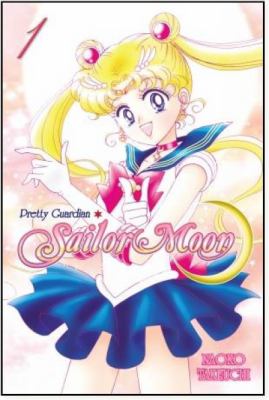
You tin can check out this title as a Impress Book or as an eBook on Overdrive/Libby.
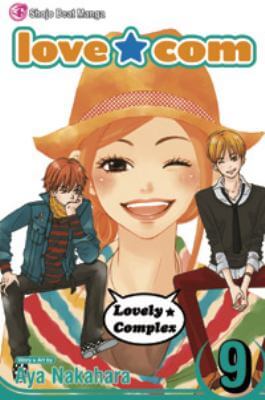
You tin can cheque out this title as a Print Book.
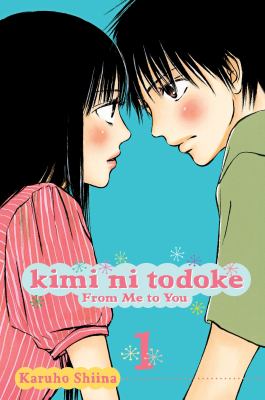
Yous can check out this championship as a Print Book.
Shōnen : Shōnen means "young human being" which refers to a targeted audience of boys nether eighteen years of historic period. Manga labeled under this category usually has a male protagonist and features stories of action, take a chance and fantasy. Shōnen is the all-time selling category of manga and has many of the longest running series of all time. A few examples of these series are "One Piece," "Bleach," "Example Closed/Detective Conan" and "Attack on Titan."
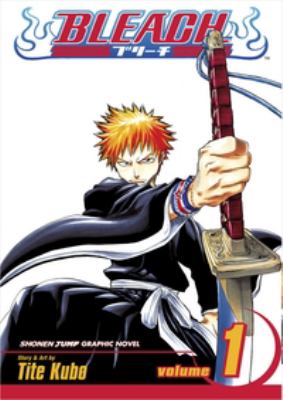
You can check out this title equally a Print Book or as an eBook on Overdrive/Libby.
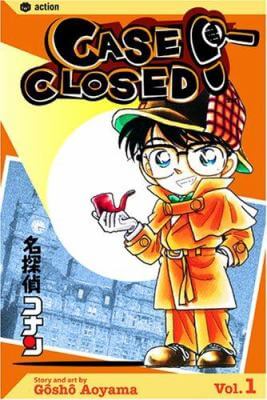
Y'all tin can bank check out this championship as a Impress Volume.
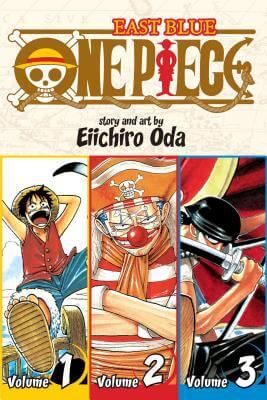
You tin can check out this title as a Print Volume or as an eBook on Overdrive/Libby.
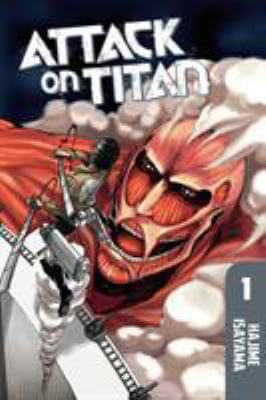
You can check out this title as a Print Volume or as an eBook on Overdrive/Libby.
Josei : Josei refers to manga targeted towards women over 18 years sometime. Josei protagonists may be women in higher or women in their 30s. Josei manga published in Japan not only has older protagonists and more mat ure themes and storylines, but as well is written in a more complex script with more kanji and less furigana (script that is written next to ka nji to assist in in reading). There is a lot of variety within this genre to appeal to an older and more mature audience, but some examples are "Princess Jellyfish," "Tokyo Tarareba Girls," and "Descending Stories."

Yous tin can check out this championship as a Print Book.
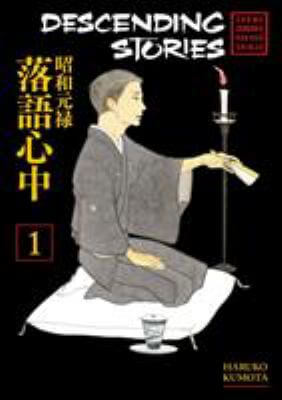
Y'all can check out this title as a Print Book.
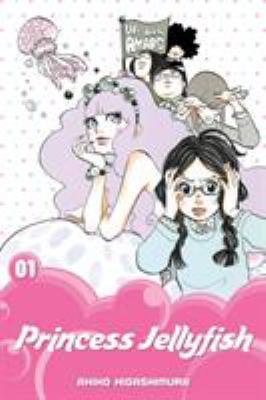
You lot can check out this title as a Print Book.
Seinen : Seinen refers to manga targeted towards men over the age of 18. The themes and stories found in seinen manga are more mature than those found in s hōnen manga. Similar to josei manga, seinen too features more complex linguistic communication including kanji that adults would know and recognize (Japanese adults are able to read and write approximately 4000 kanji while children will have learned approximately 2500 by high school). This category can be quite broad like josei, but seinen manga can share many characteristics with s hōnen manga. A few examples of seinen manga are "Cowboy Bebop," "BERSERK," "Solanin" and "Oishinbo."
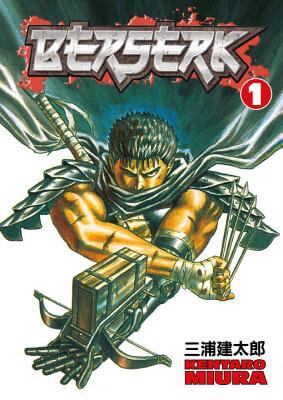
You tin can check out this championship as a Print Book.
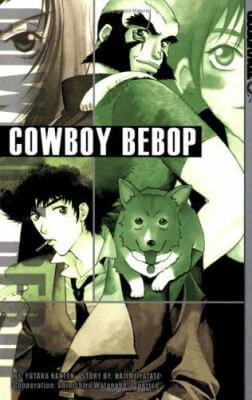
You can check out this title as a Print Book.
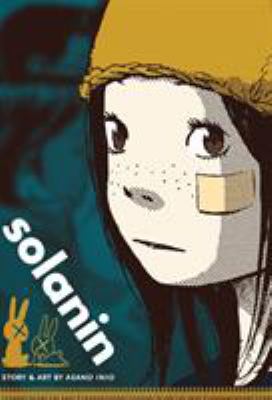
Y'all tin bank check out this title every bit a Print Book.
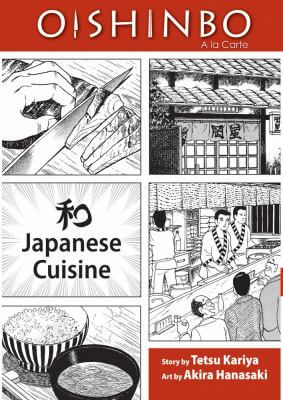
You lot tin cheque out this title as a Print Book.
T here is oft discussion nigh whether a manga is shōjo /josei or s hōnen /seinen based on personal opinions about the maturity level and appropriateness of the content found in a manga. The genre labels are used for publishing and marketing purposes, not for censorship purposes. Whether a manga is shōnen or seinen is based on which manga mag it was originally published in, not how mature or explicit it is. Then to put it simply: proceed with caution and don't overuse these labels. For example I have never been a teenage boy, but my favorite manga of all time is a shōnen manga and y'all may see me reading a josei manga series one week and seinen series the next. I personally read manga of all types also as recommend manga of all genres to my teens regardless of their gender.
Localization and Translation
Manga is a huge part of the publishing manufacture in Japan, so huge that it would need its ain web log post to fully discuss. In the United states of america, manga has to be licensed, translated and localized; a long process which can explain why your favorite mang a may have currently released volume 34 in Japan, only only volume 25 in the U.s.a.. Localization , a method of altering manga to fit into the cultural norms of the targeted consumer market, is an extra s tep in the publication process that publishers may take depending on the manga. Examples of localization include changing the Japanese names of characters , darkening "inappropriate " scenes, swapping common Japanese snacks to more familiar American ones and censoring unseemly activity such as swearing or smoking.
Manhwa vs Manga
While browsing some cool manga online or looking upwardly more info nigh manga yous may accept run across the term "manhwa"and wondered what it meant or if the writer actually meant to write "manga." And so let'southward talk about your new discovery!
Manhwa is not a typo for manga at all and is actually the Korean word for comics. Manhwa refers to comics created by Korean artists and published in Korean. The term manhwa started to be used in the 1920s during the Japanese occupation of Korea when many of Nippon's cultural elements were incorporated into Korean culture. Manhwa is read from left to right and horizontally different manga.
Manhwa is not printed equally oft equally information technology previously was and at present it is primarily created digitally and found online under the name "webtoons."
How Do I Recommend Manga?
Sub-genres start condign important hither equally well as knowing about censorship an d cultural differences in Nippon and the United States. Every bit a librarian I don't judge a book by its encompass and that is especially true when it comes to manga. Sometimes manga covers are truthful to their content , only other times you may not know what the manga is near until you do a little research. If y'all are not new to manga, and so you lot showtime by naming some manga you accept read before. A librarian can discover manga that is like or created by the same mangaka. If you are new to manga, try to think of the blazon of stories you lot similar to read . If you love romance, in that location is enough manga for y'all, or if you are more than of a sports lover there's something for you as well.
You lot tin observe new manga through publishers in the United states and you can even read a a sample of some of the chapters before they are released in the t ankōbon volume southward. Publishers volition listing all of their releases in the The states on their websites and sort them by sub-genre southward o y o u c a north f i n d s o one thousand due east t h i n g p eastward r f eastward c t f o r y o u . Some popular publishers in the Us are V IZ Media, Tokyo pop , Dark Horse Manga , Kodansha USA, Vii Seas Amusement and Yen Pres s.
Ratings and Content
On the back embrace of a volume of manga you will detect a brief description, the name of the publisher and often a rating similar to those that appear on video games. Ratings that you will typically meet on manga are A for all ages, T for teens, OT/T+ for older teens and M for m atur e . The rating system used is dependent upon publisher, but in that location is commonly at least a rating for teens. Balmy swearing and nudity are non viewed as taboo subjects in Japanese culture and so these may show up in manga targeted towards tweens and teens depending on the publisher. To refer back to the word of manga genres, at that place is manga of nigh ratings in all 4 genres so do not permit seinen and josei manga 'south targeted audiences (adults) deter you from selecting information technology . As for deciding whether or not a manga is appropriate for your tween or tee n, it is up t o y'all every bit a caregiver.
Where to Find Manga at CLP?
At Carnegie Library of Pittsburgh, most of our manga is located in the Teen collections at the neighborhood locations, and on the First Floor and in the Teenspace at CLP – Main (Oakland).
Yous can also detect manga online through the Library's eResources , Hoopla and Overdrive/Libby. These items are bachelor to infringe with your library carte and read on your phone, tablet or computer!
Manga titles are always bachelor to cheque out on Hoopla — there's never a waiting list! You can link to Hoopla through our eResources page and view a Hoopla tutorial here .
You can as well find manga on Overdrive/Libby , although you may have to identify a hold and wait for the title to go available. You lot can link to Overdrive/Libby through our eResources folio (or download the app onto your mobile device) and view an Overdrive/Libby tutorial hither .
As always, if y'all are looking for a particular championship or want something new, inquire a librarian! You tin can use the Ready Reference chat box on the lower correct side of your screen.
Sources
"A Beginner's Guide to Manga" https://world wide web.nypl.org/weblog/2018/12/27/beginners-guide-manga
"The Beginnings of Anime and Manga" That Anime Project.University of Michigan Animation Group, 2001. http://umich.edu/~anime/info_animehistory.html
Diep, Edward. "A Brief History of Japanese Manga" Medium, 2019. https://medium.com/mrcomics/a-brief-history-of-japanese-manga-78dfb3a49380 .
Kern, Adam Fifty. Manga From the Floating Globe: Comic Book Culture and the Kiby ōshi of Edo Japan. Harvard University Asia Middle , 2006 .
Park, InHa. "A Short History of Manhwa." March 15, 2006. http://capcold.net/eng/blog/?p=11
Further Reading
"Osamu Tezuka was the 'Walt Disney of Japan.' His beautiful manga biography shows why." https://www.vox.com/2016/8/two/12244368/osamu-tezuka-story-explained
"Manga: Heart of Pop Culture" https://www.japantimes.co.jp/news/2009/05/26/reference/manga-middle-of-pop-culture/#.XrT5WahKjIU
Hashimoto, Akiko. "Popular Culture: Manga." https://www.japanpitt.pitt.edu/essays-and-articles/civilisation/pop-civilization-manga
Ito, Kinko. "A History of Manga in the Context of Japanese Culture and Society."
Is My Reading Manga Down Right Mo
Source: https://www.carnegielibrary.org/an-introduction-to-manga/
0 Response to "Is My Reading Manga Down Right Mo"
Post a Comment